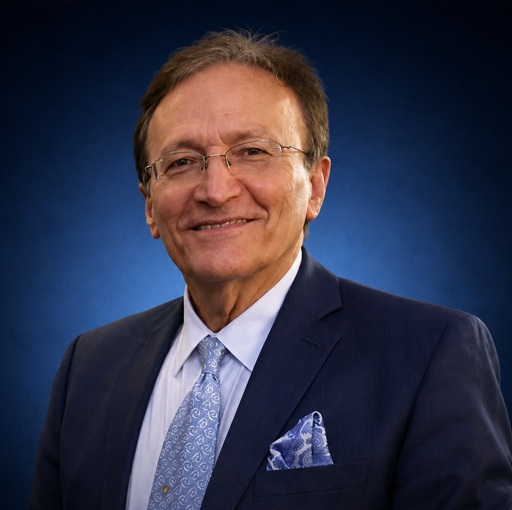
Dr. Muin Afnani
Dr. Muin Afnani
along with his wife, lives in northern California. They have two daughters and four grandchildren. His professional career is in the field of electronics engineering with focus on device physics and nanotechnology with over 37 years of senior management positions. He has diverse research interests. Aside from his professional career, his studies and research cover several areas including Sociological Thoughts, Philosophy and History of Religions, Near Eastern Studies, and Socio-Economic Development Theories and Practices.
Aside from undergraduate and graduate studies in the field of Electronics Engineering respectively at Utah State University and the University of Colorado , he holds a Master of Science Degree in Sociology from Utah State University, a Master of Science Degree in Systems Management from the University of Southern California, a Master of Science Degree in Religious Studies from the University of California at Berkeley, and a Ph.D. in Near Eastern History and Thought from the University of California at Berkeley.
He has served on various Baha’i institutions and agencies at local, regional, national, and international levels, and for the past 19 years has served on the National Spiritual Assembly of the Baha’is of the United States.
|
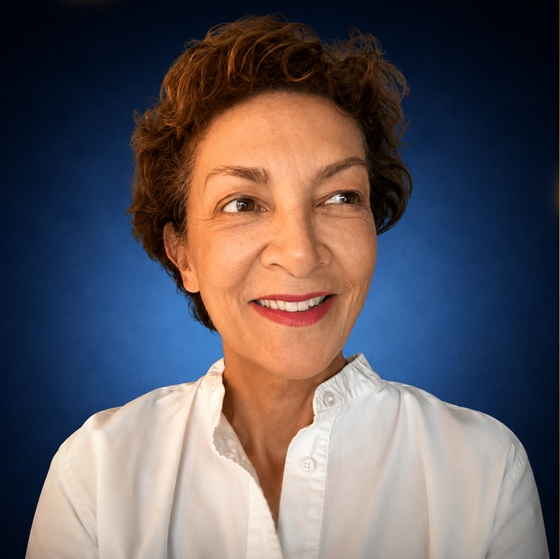
Dr. Mahasti Afshar
Dr. Mahasti Afshar
joined National Iranian Television in 1967, where she directed drama and classical music programs. Every summer, she also recorded the Shiraz Arts Festival programs live for later broadcasting on television.
In 1988, she received a Ph.D. in Sanskrit and Indo-European Mythology from Harvard University. She then joined the Getty Conservation Institute in Los Angeles, where she created a division to raise public awareness about cultural heritage preservation worldwide.
Over the next ten years, she published books and articles, produced documentaries, and curated museum exhibitions in Africa, Asia, Europe, and North and South America. Her work spanned 3.2-million-year-old hominid footprints in Tanzania, ancient Egyptian monuments, the Mogao Grottoes in China, St. Vitus Cathedral in Prague, and the historic center of Quito in Ecuador.
Her youth-centered multinational photography initiative LANDMARKS of a New Generation went viral and was exhibited at UNESCO in Paris and the 2000 Olympics in Sydney. She next led a successful five-year endowment campaign for the Los Angeles Philharmonic Orchestra, followed by years-long executive positions at ARCH Foundation (Austria), XPRIZE, National Geographic, PAAIA, and other nonprofits.
Since 2023, she has devoted her time to writing and translating. Her publications are listed in www.mahastiafshar.com and include the Shiraz Arts Festival in Persian (Mage: Nov 2024).
|
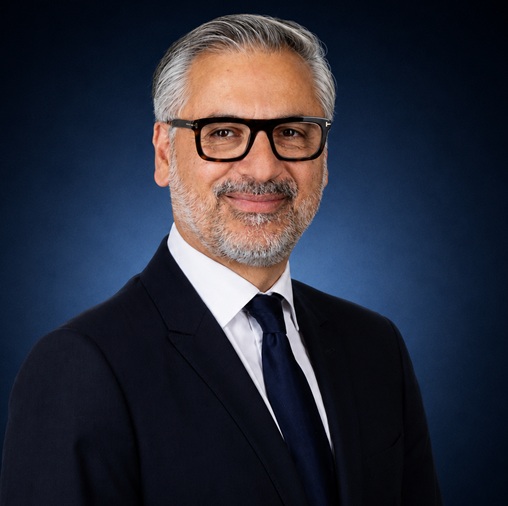
Dr. Payam Akhavan
Dr. Payam Akhavan
is an international human rights lawyer and former UN prosecutor at The Hague, having worked with victims in war zones around the world. He was born in Tehran, Iran, migrated with his family to Canada during his childhood, and earned his Doctorate in International Law at Harvard University in the United States. He is currently a Professor of International Law and Human Rights Chair at Massey College at the University of Toronto, and a Barrister at Twenty Essex Street Chambers in London, United Kingdom, having appeared as legal counsel in numerous leading cases before international courts and tribunals. He has been elected a Fellow of the Royal Society of Canada, Associate Member of the Institute of International Law, appointed to the Order of Ontario, the Province’s highest civilian honour, and is recipient of the Human Rights Award and Honourary Doctorate of the Law Society of Ontario. He was also selected to deliver the Canadian Broadcasting Corporation “Massey Lectures” in 2017, and his memoir “In Search of a Better World” became the best-selling non-fiction book in Canada. He has worked on behalf of victims of human rights abuses in Iran, including the Mothers of Khavaran, the Families of the Victims of Ukraine Airlines Flight PS752, and in January 2026, he was invited to address the UN Human Rights Council in Geneva on the mass-killing of protestors in Iran.
|
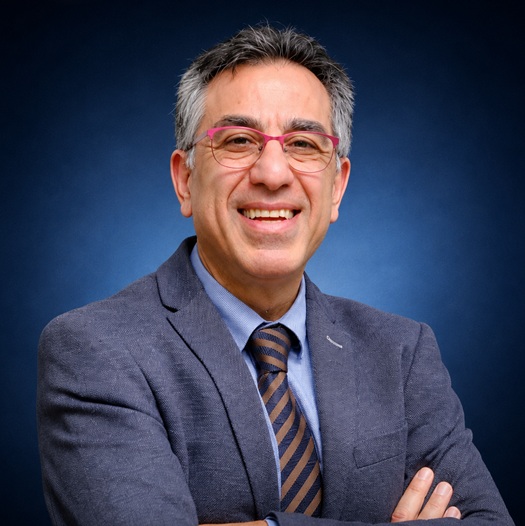
Dr. Arash Arjomandi
Dr. Arash Arjomandi
holds a Ph.D in Humanities and teaches ethics and philosophy at the Autonomous University of Barcelona. He is a writer, researcher, and consultant to companies and organizations in the fields of leadership, management skills, organizational ethics, corporate social responsibility, change management, and practical philosophy. A central part of his intellectual and professional work is devoted to applying philosophy to personal, social, and organizational life, approaching thought not merely as a theoretical discipline but as a way to think more clearly, act more responsibly, and live with greater meaning.
He was a close disciple and collaborator of Eugenio Trías, one of the most distinguished contemporary thinkers. His work addresses questions of meaning, religion, ethics, culture, human responsibility, leadership, transformation, and the challenges of the contemporary world. Arjomandi is the author of several books in philosophy and thought, and his essays and articles have appeared in respected journals and media outlets.
He also maintains an active public presence as an intellectual, cultural, and social commentator, taking part in several national public television channels and respected newspapers.
|
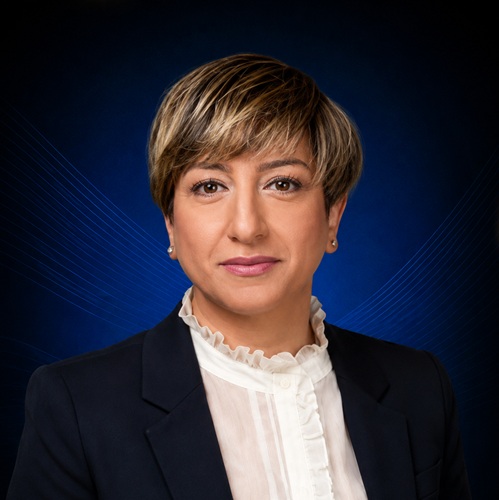
Dr. Pegah Banihashemi
Dr. Pegah Banihashemi
JSD, LL.M., LL.B. is a legal scholar, human rights researcher, and lecturer specializing in international law, constitutional law, comparative constitutional law, and international human rights. She recently earned her Doctor of Juridical Science (JSD) from the University of Chicago Law School, where she also completed her Master of Laws (LL.M.). She continues her work as a legal researcher, focusing on constitutionalism, accountability for international crimes, and the protection of fundamental rights.
Her doctoral research examines the historical evolution of the Iranian Constitution before and after the 1979 Islamic Revolution, exploring the challenges of constitutional implementation in Iran.
Before joining the University of Chicago, Dr. Banihashemi earned her Bachelor of Laws, as well as Master’s and LL.M. degrees in International Commercial Law and Private Law from Shahid Beheshti University, graduating first in her class and defending her thesis in international commercial arbitration.
Before moving to the United States, she lived and worked in the United Kingdom, conducting research and advocacy on international human rights, immigration law, women’s rights, children’s rights, and the death penalty. She is a frequent legal analyst for international media outlets and civil society organizations and has taught courses on human rights, legal advocacy, women’s rights, and law and society.
|
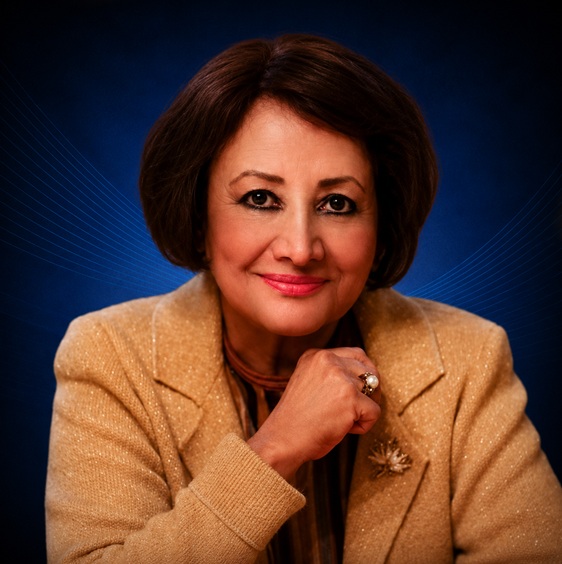
Dr. Farah Dustdar
Dr. Farah Dustdar
is a political scientist,social scientist, and author. Since 1967, Dr. Dustdar has been a resident of Europe and now lives in Luxembourg. She studied political science, sociology and social psychology at the Universität Trier in Germany. Dr. Dustdar received her Ph.D. in Political Philosophy from the Technische Universität Chemnitz.
Dr. Dustdar is the author of numerous books and articles in Persian and in German on topics including democracy,ethics in politics,political philosophy,the role of emotions in politics, women’s politics. Her publications include “Farewell to Power - Democracy and Responsibility,” “Pluralism in Kant’s Liberal Philosophy,” “Populism and the Role of Sentiment in Politics,” “Woman and Peace,” ”Woman in Politics,” and “Civil Ethics - Behavioral Patterns in a Democratic Society,” Dr. Dustdar is a member of the Kant's Philosophical Society in Germany and engaged in numerous scientific projects.
|
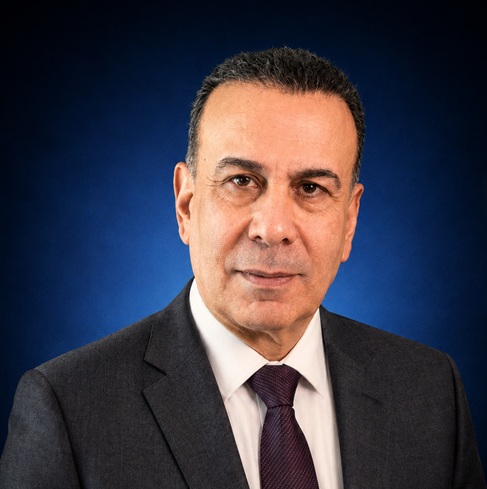
Dr. Hosein Ghazian
Dr. Hosein Ghazian
is an Iranian sociologist, researcher, and writer currently residing in the United States. He specializes in social surveys and polls. He has written, translated, and published several books. He also frequently appears in the media to comment on political and social issues. Dr. Ghazian also provides sociological analysis of developments in Iran on social media, including his YouTube channel and Clubhouse.
|
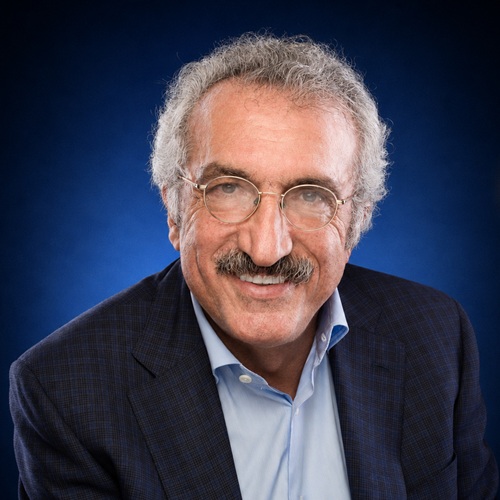
Dr. Abbas Milani
Dr. Abbas Milani
is the Hamid and Christina Moghadam Director of Iranian Studies at Stanford University and a Professor (by courtesy) in the Stanford Global Studies Division. He is also one of the founding co-directors of the Iran Democracy Project and a research fellow at the Hoover Institution. His expertise includes U.S.-Iran relations as well as Iranian cultural, political, and security issues. He taught at Tehran University’s Faculty of Law and Political Science until 1986, where he was also a member of the Board of Directors of the University’s Center for International Relations. After moving to the United States, he was the Chair of the Political Science Department at the Notre Dame de Namur University for 14 years. He was a visiting Research Fellow at the University of California, Berkeley’s Middle East Center for eight years.
|
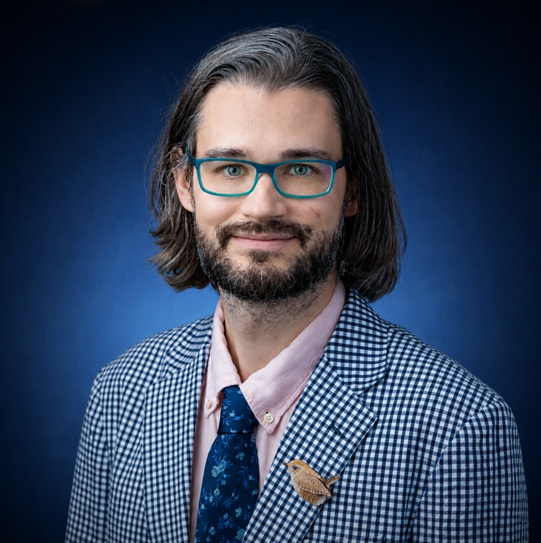
Dr. Austin O'Malley
Dr. Austin O'Malley
is a scholar of classical Persian literature with a special interest in performance, textuality, and reception, particularly in Sufi contexts.
His first book, The Poetics of Spiritual Instruction: Farid al-Din ʿAttar and Persian Sufi Didacticism (Edinburgh UP, 2023), uncovers an implicit poetics of didacticism embedded within Sufi homiletic verse. While treating didactic verse more broadly, it focuses on the narrative poetry of ʿAttar (d. c. 1221) in particular, whose innovative frame-tale structures allow the poet to reflexively imagine his own poems’ idealized reception. Through a close reading of ʿAttar’s works alongside other religious and literary texts, the monograph shows how didactic speech worked on its recipients on a bodily, psychological, and an ontological level, and how readers’ encounters with ʿAttar’s poems thereby functioned as symbolic performances of particular Sufi rituals and social relationships.
He has also published on hagiographical texts, a Perso-Hellenic verse romance, and the quatrains of ‘Omar Khayyam. He is currently at work on a second monograph on forged and spurious works from the Timurid period, in which he shows how literary misattribution—intentional or otherwise—functioned as a generative mode of imagining the literary past.
|
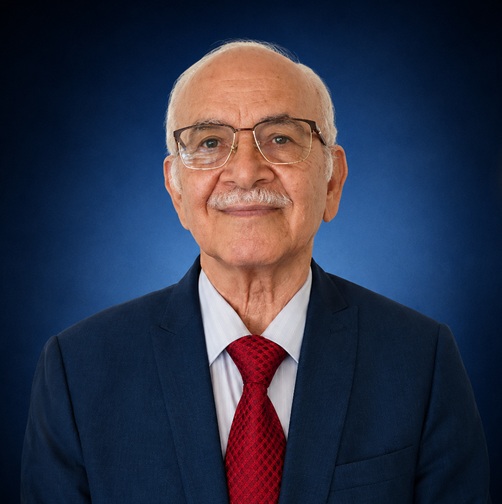
Dr. Vahid Rafati
Dr. Vahid Rafati
was born in Shiraz, Iran, in 1945. He moved to Tehran, where he graduated from the Faculty of Letters and Humanities at the University of Tehran with a Bachelor’s degree. In 1972, he moved to Lebanon to continue his studies at the American University of Beirut. In 1974, the civil war in Lebanon forced him to relocate to the United States, where he enrolled at the University of California, Los Angeles.
Dr. Rafati completed his Ph.D in Islamic Studies at the University of California and submitted his doctoral dissertation in 1979. In 1980, he moved to the Bahá’í World Centre to serve in the Research Department of the Universal House of Justice. Since 1985, he has continued his research work as the Director of the Research Department. The results of some of his studies have been published in the form of numerous articles and books.
|
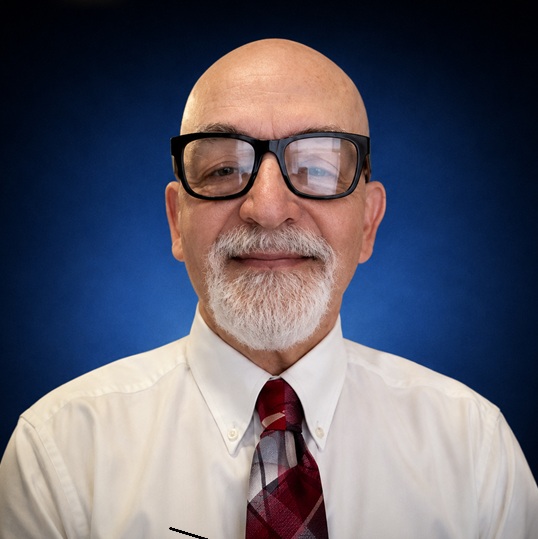
Dr. Behrooz Sabet
Dr. Behrooz Sabet
has served as a university professor, research mentor, and academic dean. Throughout his career, he has contributed to the development of bachelor's, master's, and doctoral programs across a variety of institutions of higher learning. He has also maintained a close affiliation with the Bahá’í Institute for Higher Education (BIHE), where he has participated in both academic and institutional development initiatives.
A significant area of his research examines the evolution of political and religious thought in Iran, particularly within the broader conceptual and historical development of modernity and its impact on Islam and Middle Eastern societies. In this field, he has written, translated, and edited several books and articles, including The Winds of Change, a study of contemporary developments in the Middle East. He also oversaw the publication of an annotated edition of Dr. Muhammad Bagher Houshyar’s seminal work, Principles of Education, serving as editor and contributing both a biographical introduction and chapter-by-chapter commentary.
The core of Dr. Sabet’s scholarship lies at the intersection of religion, science, culture, and education. His work is informed by an integrative and interdisciplinary perspective that seeks to foster dialogue across diverse fields of knowledge. He has authored and translated numerous articles exploring questions of meaning, philosophy of religion, social theory, and educational thought, with particular attention to the relationship between spiritual worldviews and contemporary cultural, intellectual, and social transformations.
|
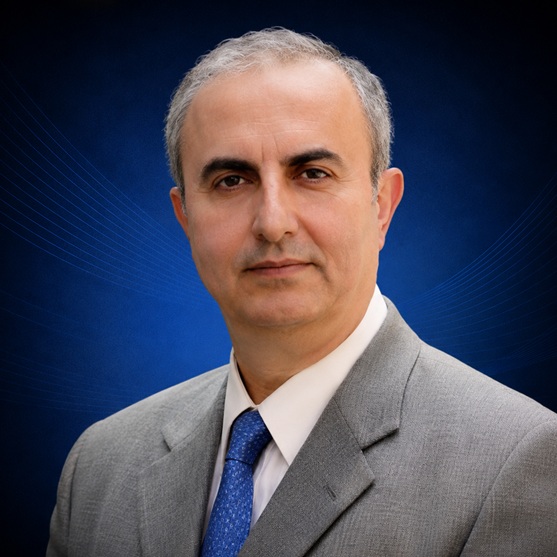
Dr. Farhad Sabetan
Dr. Farhad Sabetan
received his master’s degree in economics from California State University, and Ph.D. in the same field from the University of California, Davis in 1990.
His professional career has been primarily in the areas of welfare economics, economics of energy and telecommunications, and health economics serving the private and the public sectors. He is currently a lecturer at California State University, East Bay in the San Francisco Bay Area. He also teaches Economics at Bahá’í Institute of Higher Education. n his capacity as an academic economist, he has been interviewed to comment on current economic issues by ABC, CBS, NBC, Fox, Telemundo, and other networks.
He is a spokesperson for the Bahá’í International Community and has been invited by Persian media outlets to comment on human rights issues, and the persecution of Bahá’ís and other minorities in Iran.
|
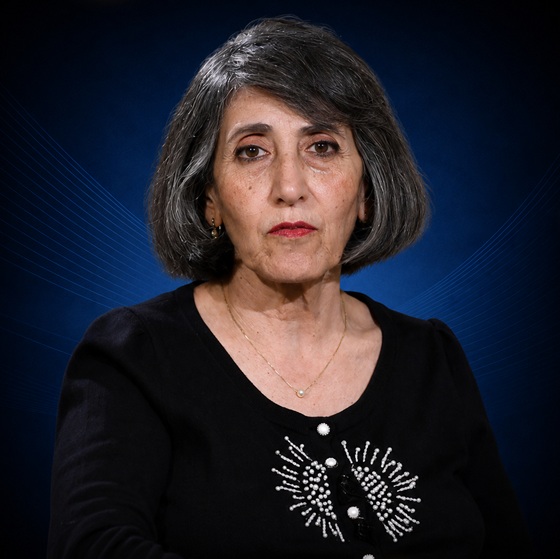
Ms. Farzaneh Sabetan
Ms. Farzaneh Sabetan
has educational background in Organizational Psychology, Clinical Psychology, Educational Psychology, and Human Resources Management. She pursued her studies at the master’s level in Iran, the USA, and the UK. In addition to her formal education, she has a personal interest in philosophy and cinema therapy. Her professional experience includes writing and translating books and articles, counseling, creating media programs, teaching, and conducting workshops and seminars. Currently, she resides in the US and works as a psychological research consultant. She also played a pivotal role in establishing the Department of Psychology at the Bahá’í Institute for Higher Education.
|
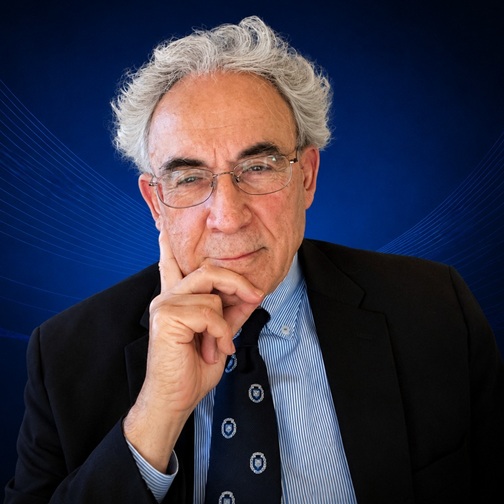
Dr. Abbas Amanat
Dr. Abbas Amanat
is William Graham Sumner Professor Emeritus of History at Yale University. He received his BA from Tehran University (1971) and his DPhil from the University of Oxford (1981). Since 1983 he taught at Yale history of early modern and modern Iran, modern Middle East, the Persianate world, and History of Shi’ism. Among his publications are Iran: A Modern History (Yale University Press, 2017), Apocalyptic Islam and Iranian Shi’ism (IB Tauris, 2009), Pivot of the Universe: Naser al-Din Shah Qajar and Iranian Monarchy (University of California Press, 1997), and Resurrection and Renewal: The Making of the Babi Movement in Iran, 1844-1850 (Cornell University Press, 1989). His Persian publications include Gahshomari-ye Khorshidi va Paydari Nowruz dar Hoviyat-e Farhangi-e Iran (Toronto, Asemana Books, 2025); Ahd-e Qajar va Sowda-ye Farang (London: Mehri Publication, 2021) and coauthored with Fereydun Vahman, Az Tehran ta Akka (Ashkaar Publishers, 2018). He has edited and coedited thirteen volumes and published numerous articles, book reviews, encyclopedia entries and Op Eds. His forthcoming books include Solar Calendar and Iranian Collective Memory (London: Bloomsbury, 2027); A Short History of Modern Iran (London: Oneworld, 2027); Circle of Justice and Persian Art of Governance (Yale University Press, 2027). Dr. Amanat served as the Chair of the Yale Council on Middle East Studies and as the Director of the Yale Program in Iranian Studies. He was the editor-in-chief of the journal of Iranian Studies and Consulting Editor of Encyclopedia Iranica.
|
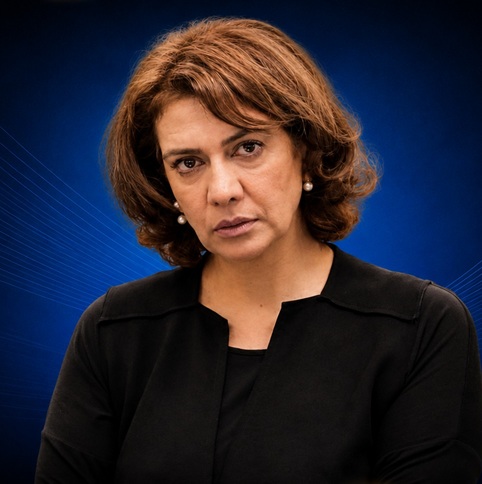
Ms. Mojdeh Shamsaie
Ms. Mojdeh Shamsaie
is an Iranian actress, theater practitioner, and multidisciplinary artist born in Tehran. She holds a bachelor’s degree in theater and has worked across film and stage as an actress, makeup artist, set and costume designer, assistant director and production manager.
Her screen career began in 1987 as a makeup artist on Maybe Some Other Time, and she made her acting debut in Bahram Beyzaie’s Travelers (1992), followed by Conversation with the Wind, Killing Mad Dogs, The Talking Carpet, and While We Are All Sleeping.
She is the recipient of the Fajr Film Festival Crystal Simorgh for Best Actress in Killing Mad Dogs and Best Makeup in Varouzh Karimmasihi’s Last Act. Her theater work is equally extensive, including The Cherry Orchard directed by Roknedin Khosravi, and Lady Aoi, 1001st Night, The Passion Play of Mentor Navid Makan, and Afra or The Day Passes, all directed by Bahram Beyzaie.
Widely regarded as one of her generation’s most accomplished artists, she has performed in eleven Beyzaie productions in Iran and the United States, including Jana & Baladoor, Tarabnameh, and Dash Akol According to Marjan, presented as part of the Iranian Studies Program at Stanford University. Since 2015, she has also led acting workshops alongside Beyzaie at Stanford. Her scholarly work is reflected in the publication of Kyogen: The Joyful Theater of Japan.
|
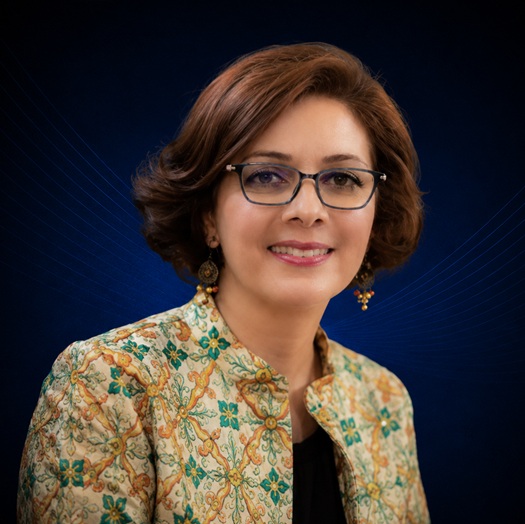
Dr. Mandana Zandian
Dr. Mandana Zandian
is a poet, writer, and physician born in Isfahan, Iran. She earned her medical degree in Iran before pursuing a career spanning literature, journalism, and medical research. Her professional background includes serving on the editorial board of Rahavard Quarterly; writing, producing, and hosting The Voice of Contemporary Poetry, a segment of Homa Sarshar’s radio program; and conducting cancer research at Cedars-Sinai Medical Center for twenty years, specializing in advanced and aggressive cancers.
Zandian is the author of seven poetry collections, the most recent of which is Our Voice Echoed the Shadows of All.
A significant part of her work has been devoted to documenting the lives and cultural contributions of Iranian intellectuals in exile through conversations. Her books in this field include Hope and Liberty (conversations with Iraj Gorgin), Ehsan Yarshater in Conversation with Mandana Zandian, and The Persian Cypress and the Blooms of Modernity: Conversations with Abbas Milani.
Her other publications include Revisiting the Ten Nights, a reexamination of the historic Ten Nights of Poetry at the Goethe Institute in Tehran in 1977, and Diaries, an edited collection of Dr. Ehsan Yarshater’s essays originally published over a twenty-six-year period in the journals Iran Nameh and Iranian Studies. She is also the creator and host of the Persian-language podcast A Window to Freedom.
Her most recent book, The Sunbird, revisits the first thirteen years of the Institute for the Intellectual Development of Children and Young Adults (Kanun), exploring its formative role in modern Iranian cultural history.
|
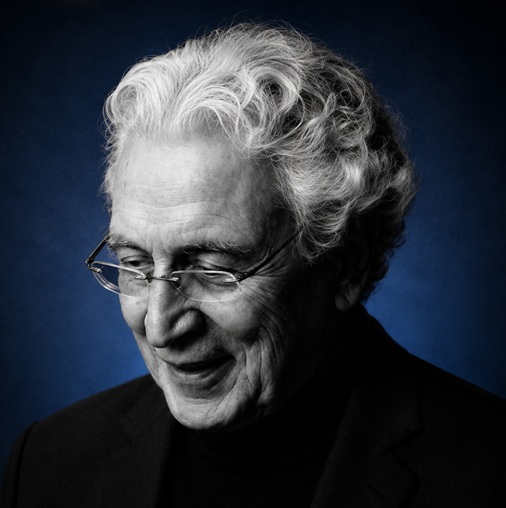
Mr. Hossein Amanat
Mr. Hossein Amanat
is an internationally acclaimed architect best known for designing the Azadi (Shahyad) Monument in Tehran, an enduring symbol of modern Iran. His early work established a distinctive approach blending modern architecture with classical Persian design.
After relocating to Canada in 1980, he continued a global practice, with major projects including buildings of the Bahá’í World Centre in Haifa and the Shrine of ‘Abdu’l-Bahá in ‘Akká, as well as cultural, academic, and mixed-use developments across North America and Asia.
Amanat has lectured internationally and received numerous honors, including an honorary doctorate from the University of British Columbia and the Bita Prize for Persian Arts from Stanford University. His work reflects a lifelong commitment to cultural continuity and innovation in designing spaces in the public realm.
|
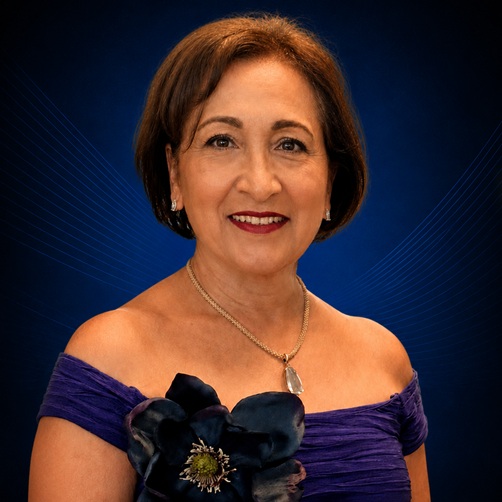
Ms. Neda Towfiq
Ms. Neda Towfiq
is a multidisciplinary artist based in Southern California whose work explores themes of unity, migration, resilience, and the shared human experience. Having lived and studied on three continents, she creates art that celebrates cultural diversity while highlighting the connections that unite people across backgrounds and generations.
Her most recent public artwork, Unity in Diversity, is a large-scale community mural in Harrisonburg, Virginia, created in partnership with David Draime, another recognized artist and fellow teacher at the Bahá’í Institute for Higher Education. Designed as a school project in collaboration with Bahá’í students and artists who have been barred from attending universities in Iran because of religious persecution, the mural reflects the city’s rich cultural tapestry and serves as a visual celebration of inclusion, belonging, and collective identity.
Through public art and community engagement, Towfiq seeks to foster dialogue, understanding, and recognition of our shared humanity. A Gemological Institute of America–certified professional who also studied art in Florence, Italy, Towfiq enjoys experimenting with unconventional materials. Her artwork has been exhibited at the Oceanside Museum of Art, the Fallbrook Art Center, and the North Coastal Art Gallery. She received the Jon Fuzell Dedication to Expression Award at MiraCosta College’s Expressions 2024 exhibition.
|